True Winter vs Bright Winter
True Winter and Bright Winter share cool coloring and striking contrast. True Winter is defined by coolness, Bright Winter by clarity — its colors are the most vivid of all 12 seasons.
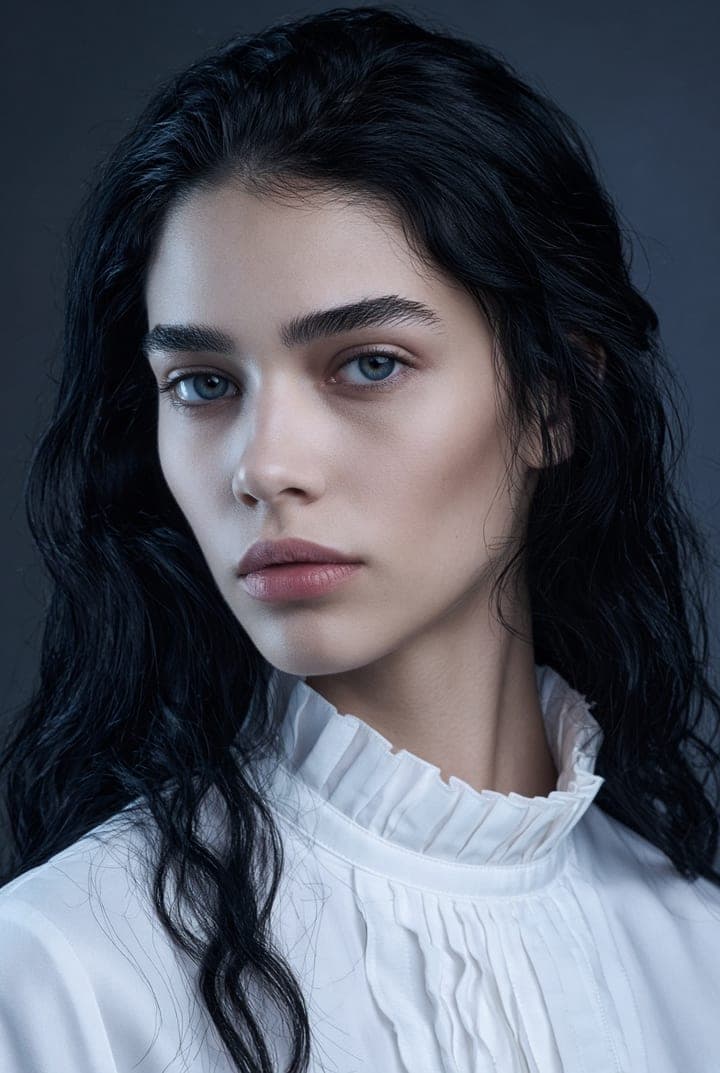
True Winter
Icy, clear and elegant
- True Blue #1F4FD8
- Magenta #C2185B
- Icy Lavender #DCD3F5
- Pine Green #0F6B53
- Blue Red #C8102E
- Icy Blue #CFE8FF
- Charcoal #36393F
- Snow White #FFFFFF
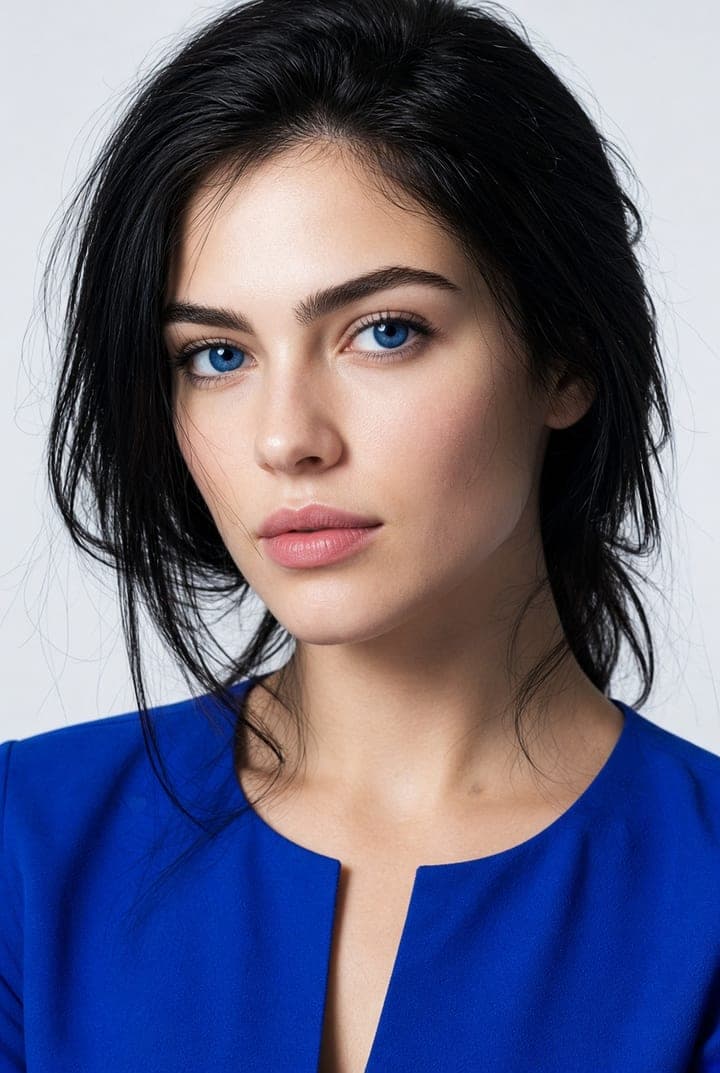
Bright Winter
Brilliant, cool and dazzling
- Electric Blue #0066FF
- Hot Pink #FF1F8E
- Emerald #00A86B
- Lemon #FFF44F
- Violet #7C3AED
- True Red #E0112B
- Black #111111
- Optic White #FFFFFF
What they have in common
Cool undertones, high contrast and clear (not muted) colors. Both can wear black, white and jewel tones.
Key differences
| True Winter | Bright Winter | |
|---|---|---|
| Defining trait | Coolness | Brightness and clarity |
| Undertone | Fully cool | Neutral-cool — can borrow a little warmth |
| Signature colors | Icy lavender, pine, true blue | Electric blue, hot pink, emerald |
| Lightest colors | Icy pastels | Optic white and lemon |
| Typical eyes | Cool grey, blue or dark brown | Very clear, sparkling eyes |
How to tell which you are
- 1
Try icy lavender and electric blue near your face. Icy shades looking elegant points to True Winter; electric blue making your eyes sparkle points to Bright Winter.
- 2
Lemon yellow is a good tie-breaker: Bright Winters can often wear it, True Winters usually can't.
- 3
Look at your eyes in daylight — unusually clear, jewel-like eyes are a Bright Winter hallmark.
Royal blue, magenta, black and crisp white are safe for both.
Still not sure? Let the quiz decide 🎨
Free, about 3 minutes, no signup — with an optional private selfie check.
Take the free color analysis quiz